July 6, 2026
The preservation of a residential structure relies heavily on how efficiently it redirects natural elements away from its most vulnerable points. While homeowners often spend considerable time maintaining roofs, siding, and landscaping, the water management network operating along the roofline serves as the primary shield against structural decay. When rainwater is left uncontrolled, it cascades down exterior walls, pooling around foundations, eroding soil, and jeopardizing the stability of the entire property. Implementing professional seamless gutter installations addresses this vulnerability, transforming a chaotic downpour into a controlled, directed stream that exits safely away from the property footprint. Understanding the physical and biological mechanics behind this fluid movement reveals why custom engineering is necessary for effective residential water diversion.
Unlike traditional sectional configurations that rely on overlapping pieces held together by sealant, modern water management systems utilize continuous channels shaped from raw metal coils directly at the job site. This fundamental design difference eliminates the structural vulnerabilities associated with traditional exterior hardware. Every seam in a traditional channel creates friction, slowing down the movement of water and capturing small twigs, leaves, and organic sediment that eventually cause major blockages. By selecting custom seamless gutter installations, property owners choose a streamlined internal environment where liquid moves without interruption, ensuring that even the most intense seasonal storms do not breach the protective boundaries of the home.
Understand the Gravitational Pull
Fluid dynamics within a continuous metal channel rely entirely on natural gravitational forces to move water toward the downspouts. Without a proper slope, rainwater accumulates in dead zones along the roofline, creating heavy pooling that stresses mounting brackets and attracts pests. According to This Old House, gutters should slope downward by about a fourth of an inch per 10 feet to allow water to flow freely. This precise calibration ensures that gravity acts as a constant propellant, pulling moisture down the path of least resistance without allowing it to overflow the front lip of the channel.
Achieving this subtle pitch across an expansive roofline demands specialized equipment and immense technical skill during the mounting process. If the decline is too steep, the water rushes forward with excessive velocity, overshooting the downspout entry points and spilling over the edges during heavy downpours. Conversely, a pitch that is too shallow fails to clear out debris, causing stagnation. Regional professionals must carefully calculate this angle for every unique roof section, balancing physical pitch with the architectural lines of the home to maintain visual harmony while maximizing drainage performance.
Minimize Internal Channel Friction
The primary advantage of continuous metal channeling is the complete absence of transverse seams along the straight sections of the property. In traditional sectional systems, every union between pieces requires internal connectors and thick layers of adhesive sealant, creating microscopic ridges along the bottom of the track. These internal obstructions create turbulent fluid patterns, slowing down the advance of water and encouraging the collection of fine debris. Over time, this friction leads to standing water, which accelerates material oxidation and compromises the integrity of the system.
By utilizing seamless gutter installations, property owners provide a smooth, continuous highway for rainwater to travel. Without internal seams to disrupt the current, water maintains its momentum from the highest point of the roofline to the vertical downspout drop. This frictionless transit not only accelerates drainage during cloudbursts but also helps the system clean itself naturally. The unobstructed flow sweeps away small tree particles and dust before they can settle, reducing maintenance requirements and preserving clear pathways throughout the year.
Engineering Perfect Downspout Transitions
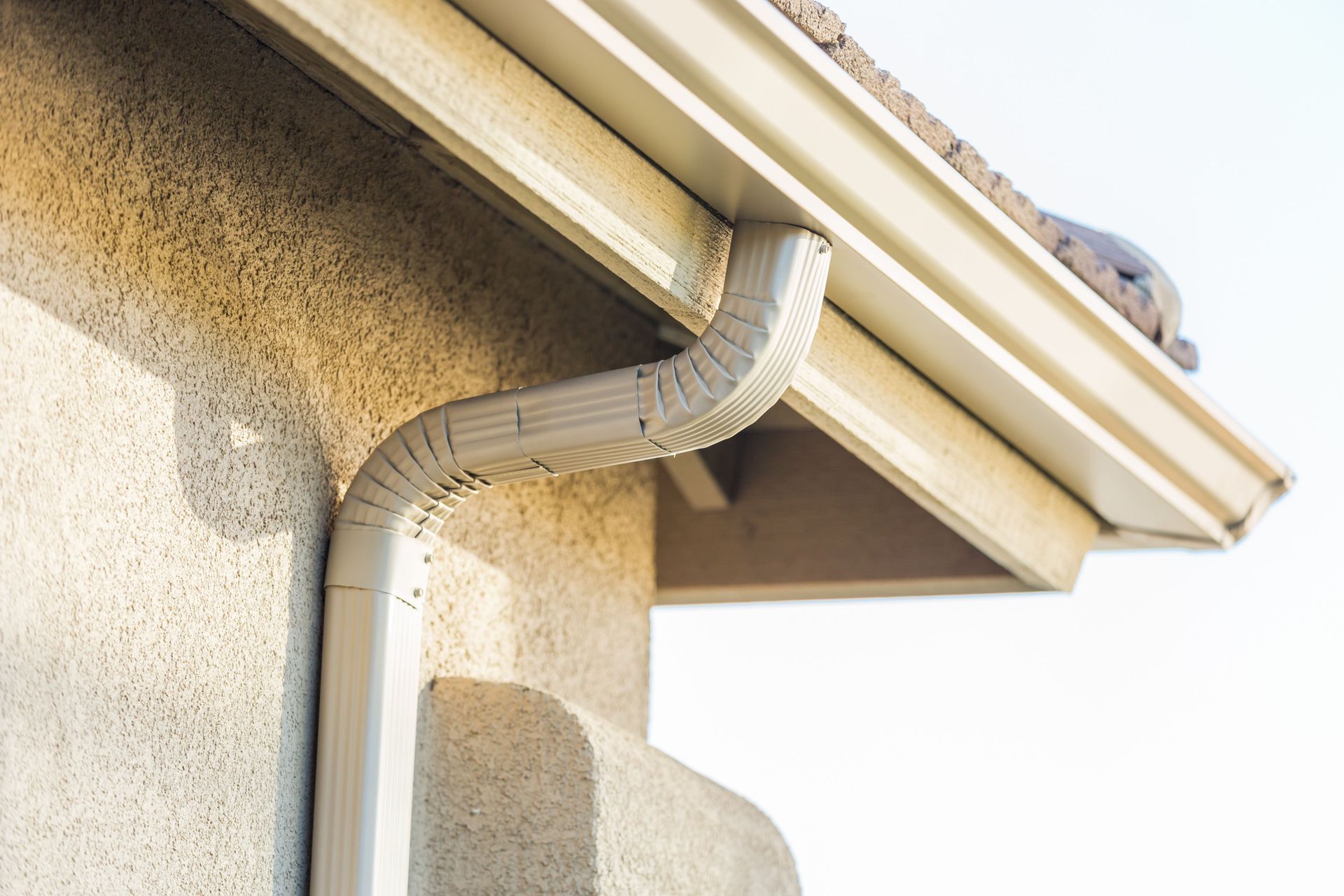
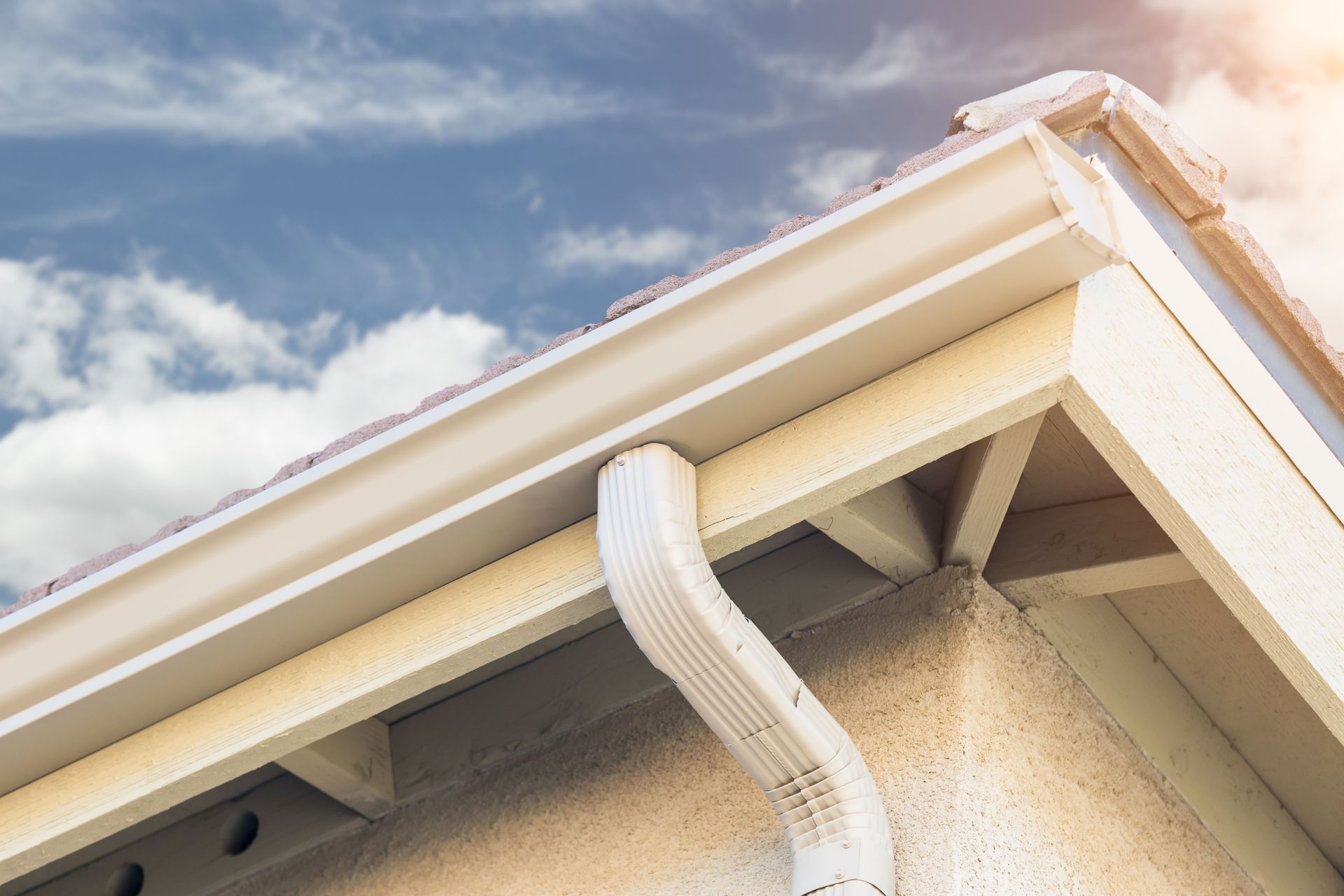
The journey of captured rainwater reaches a critical stage when it transitions from horizontal roof channels to vertical downspouts. This intersection is where bottlenecks are most likely to form, as a horizontal current must rapidly shift into a vertical plunge. Professional installers utilize custom-punched outlets that match the exact internal dimensions of the vertical drops, preventing water from backing up into the main channels during periods of intense rainfall.
Proper downspout placement requires evaluating the total roof surface area and the pitch of the roof planes feeding into each section. If a single downspout is forced to handle more liquid than its volumetric capacity allows, a hydraulic backup occurs, causing water to overflow the top of the continuous channel. Expert system designers distribute these vertical exit points strategically around the perimeter of the structure, ensuring that the volume of water collected is balanced perfectly against the evacuation capacity of the downspouts.
Secure the Structural Anchoring
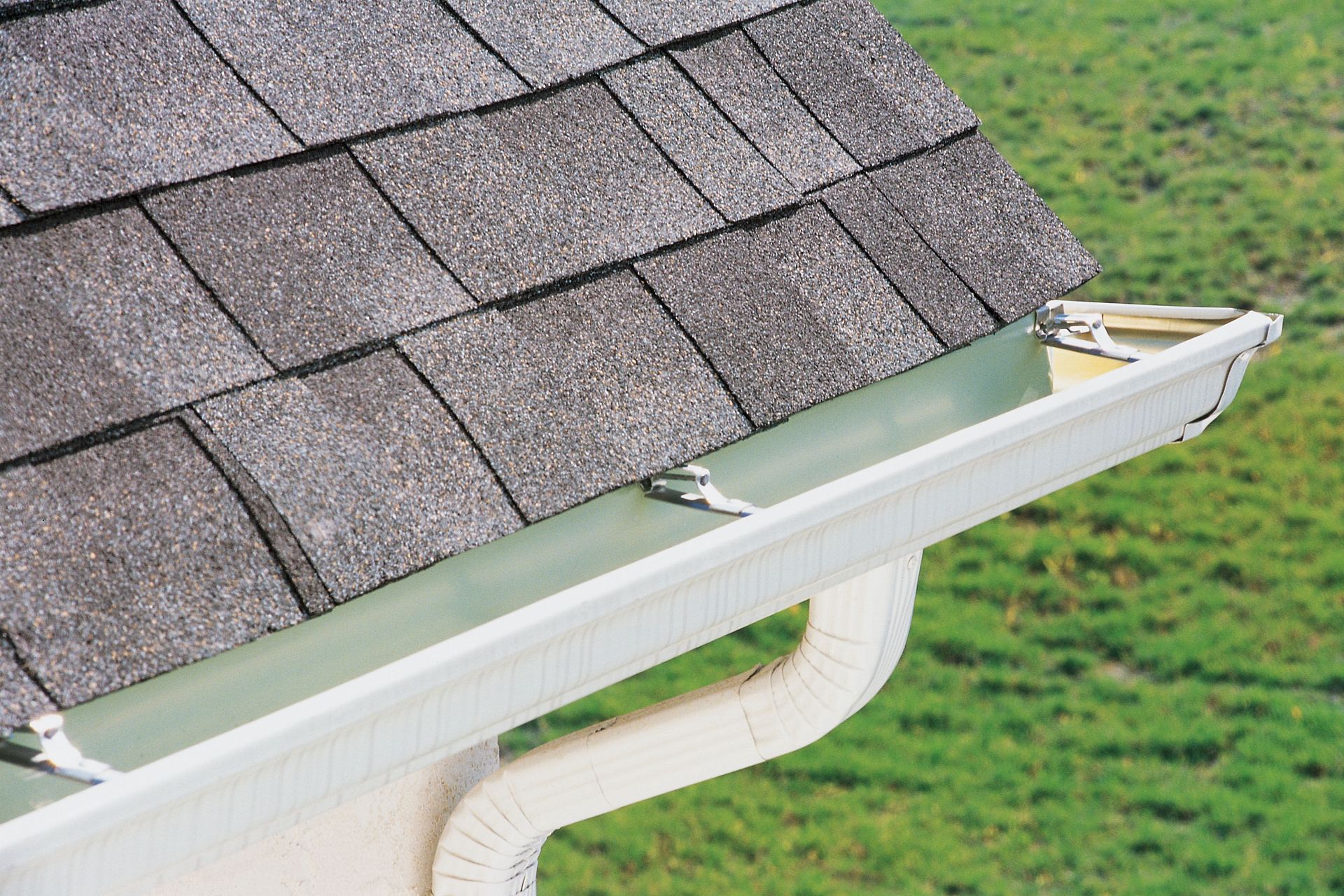
The volume of water collected during a severe storm can weigh hundreds of pounds, placing immense physical strain on the fascia board of the property. To prevent the continuous channels from sagging, warping, or pulling away from the structure, installers must utilize heavy-duty hidden hangers spaced closely together inside the track. These anchoring brackets are fastened directly through the rear of the channel and deep into the solid wooden rafters of the home, providing rigid reinforcement that resists high winds and ice accumulation.
The choice of fastening hardware and placement frequency is vital for maintaining the correct slope over time. If anchors are spaced too far apart, the metal channel will flex under heavy loads, creating low spots that disrupt the precise gravitational pitch needed for continuous flow. By securing the framework with premium, corrosion-resistant screws and internal brackets, professional teams guarantee that the water management network remains stable, level, and functional even when forced to manage maximum fluid volume during prolonged seasonal deluges.
Manage Ground Surface Evacuation
Directing rainwater off the roof is only half of the water management equation; the liquid must also be discharged safely away from the subterranean elements of the property. When downspouts terminate directly at the base of the foundation, the concentrated stream saturates the soil, creating hydrostatic pressure that can crack basement walls and flood crawlspaces. Seamless gutter installations must include properly configured downspout extensions or underground drainage adaptors to guide the water away from these critical zones.
These termination points can direct water into dedicated rain gardens, municipal storm drains, or pop-up emitters located in distant areas of the lawn. By controlling where the water enters the ground, property owners protect their foundational concrete and prevent costly soil erosion around perimeter flower beds and walkways. This comprehensive approach to fluid management ensures that moisture is completely neutralized as a threat to the home, securing the landscape and the structural core of the dwelling simultaneously.
Mitigate External Organic Blockages
Even the most precisely engineered continuous channel can suffer performance failures if external debris is allowed to enter and clog the system. Leaves, seedpods, and pine needles from overhanging trees frequently land on residential roofs and wash into the drainage pathways, creating natural dams that block water flow. Integrating advanced leaf guards or micro-mesh protective screens onto your seamless gutter installations prevents these organic materials from breaching the internal water highway while allowing liquid to enter freely.
Preserving the structural health and foundation stability of your residence demands a scientifically sound, flawlessly executed water management strategy. At Central Illinois Seamless Gutters, LLC, we work collectively as a dedicated team of professionals to design and install premium exterior drainage systems tailored to the exact architectural specifications of your home. Our extensive structural expertise ensures that your custom continuous channeling system is engineered with perfect pitch, maximum durability, and superior material strength, providing your property with absolute protection against seasonal downpours and giving you complete, long-term peace of mind. Contact us today to learn more.